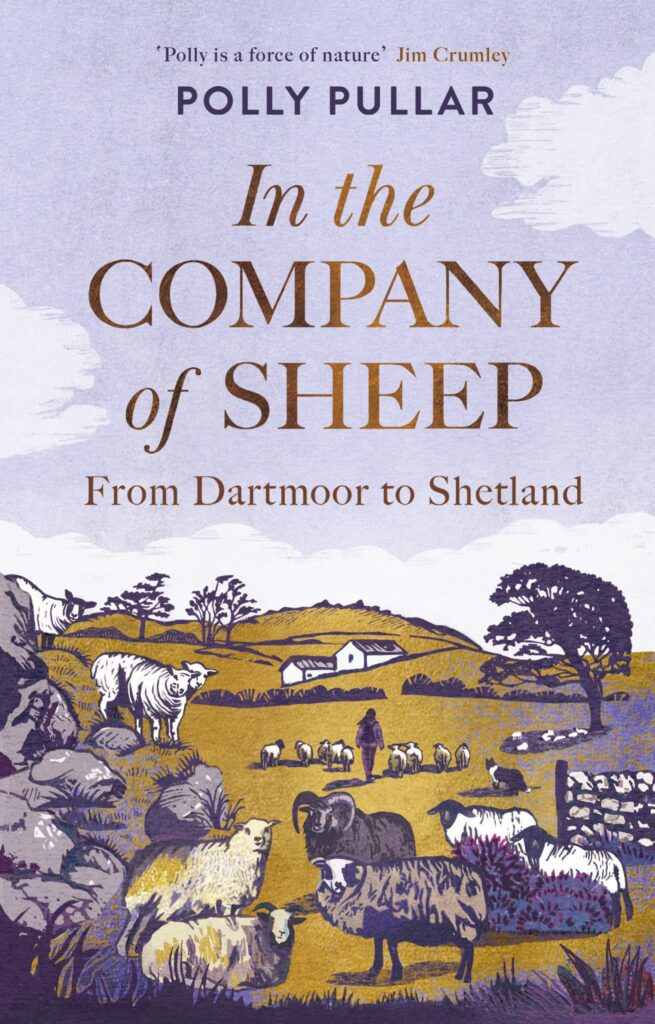
In the Company of Sheep
Sheep have shaped Britain’s landscapes for centuries yet remain among our most misunderstood animals. Drawing on a lifetime’s experience, nature writer Polly Pullar reveals the fascinating and deeply human story of sheep farming
On a journey around the British Isles, Polly explores a range of unique native breeds – from the Scottish Blackface, the most numerous in Britain, and the Welsh Mountain to the hardy four-horned black Hebrideans and the eaweed-eating North Ronaldsays – creatures that are more than just white blobs in the landscape
Told with warmth, wit and a keen sense of humour, this is a celebration of remarkable animals and the characters whose lives are culturally entwined around them.
Reviews
Christopher Price – CEO – Rare Breeds Survival Trust:
This book is a real treat. Polly Pullar does a wonderful job capturing the remarkable bond between native sheep breeds, the landscapes they belong to and the people who care for them. These breeds are living reflections of Britain’s diverse pastoral heritage, shaped by centuries of adaptation to place. Polly’s warmth, knowledge and affection for both sheep and shepherds shine through every page. At RBST, we know how vital these locally adapted breeds are to biodiversity, culture and sustainable farming. This is a heartfelt celebration of their enduring value and a wonderful read for anyone who loves the countryside.
‘A real treat. Polly’s warmth, knowledge and affection for both sheep and shepherds shine through every page.’
‘A heartfelt celebration of native breeds and their enduring value . . . a wonderful read for anyone who loves the countryside.’
Mark Stephen presenter, BBC Radio Scotland: Out of Doors:
Yet again, Polly Pullar has managed to shine new light on some of our more remote rural areas, and she does this through the most unlikely lens of sheep. As everyone knows, sheep are famously stupid, and their greatest ambition is to die. Not so, says Polly, and demonstrates on page after page how much sheep have formed our landscape, culture and heritage.
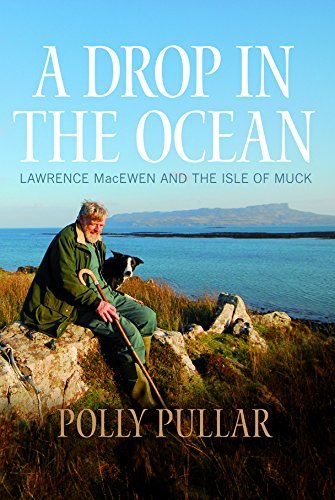
From Shetland to Dartmoor, she meets the breeds, and the breeders who are keeping odd corners of these islands rich and alive. Breeds I’d never even heard of come to life on the page: you can see them, get to know them, damn near smell them. The Wensleydale, the Whiteface, the hardy Swaledale, the Exmoor Horn, the Balwen and the Badger Face. Each has its own history and character. Some breeds are so ancient they’re almost not domesticated at all. Unless you have gone eyeball to eyeball with a Soay sheep, munching on the turf roof of a cleit on St Kilda, you cannot begin to know how almost psychotically wild they are. In one chapter she tells the tale of a day I shared with her, and the late Lawrence MacEwen. Lawrence, who flatly refused to be called the Laird of Muck, looked like a Viking in a boiler suit. Polly was fit and sheep-savvy. I was basically dead weight. The three of us, and two dogs, one of which was as green as grass, managed to clear a tidal island of sheep, and shepherd them on to Lawrence’s farm on Muck. It was a wholly unexpected triumph, a glowing memory for us all, and she is kind enough in the book not to mention the fact that it nearly killed me.
I speak to a lot of people in my line of work, so I mean it when I say that Polly has an uncanny ability to find the authentic voices of the countryside, people like herself, not separate from nature, but part of it. Passionate about what they do, and keen to share their hard-won experience and wisdom.
This is a fascinating book that touches on all sorts of countryside issues through the medium of an animal that sadly, most of us take for granted. It’s a masterclass in why sheep count.
Peter MacQueen – author, crofter, & broadcaster:
‘Warm, wise and rich in storytelling – a beautiful celebration of sheep, fank, and folk’
Jim Fairlie – MSP – Minister for Agriculture and Connections :
Polly and I have several things very much in common, not least of all our love of nature and the fabulous sheep that are so integral to our landscape heritage and economy. We have a shared understanding that balance is essential in seeking to depolarise the debate around biodiversity, trees and living with nature while maintaining rural traditions, economies, communities and our national diversity of sheep stocks. The role sheep play has to a large extent been demonised because of previous policy decisions without understanding that when the balance is right, sheep are a vital ecological managers, particularly in our uplands.
Polly has undoubtedly tried to bring balance into the debate with this book while taking us on a fabulous journey meeting wonderful people and beautifully describing the abundance of character and the unique role different breeds have in the areas they are bred to be.
A fabulous read for sheep enthusiasts, for those with an interest in the debate and anyone who likes to get lost in the meandering landscapes and insight into lives of country people who are dedicated to their sheep and natural environment right across the country.
‘With a deep understanding and passion for nature, sheep and the people who keep them, Polly gives us a fabulous journey through the country, and a balance to a sometimes polarised debate’.
Price: £14.50 inc p&p
£14.50Add to basket